
Knife Making Adhesives, Epoxies and Threadlockers
Shop knife making adhesives for gluing blades to handles, bonding scales and inlays, setting bolsters and guards, and locking folder pivots and screws. Choices include G/Flex 650 and Devcon 2 Ton epoxy, J-B Weld Cold Weld, Sinbad Glue Gel, Vibra-Tite™ threadlockers and super glue, a Loctite® primer, 3M Super 77 spray, epoxy pigment and a glow additive.



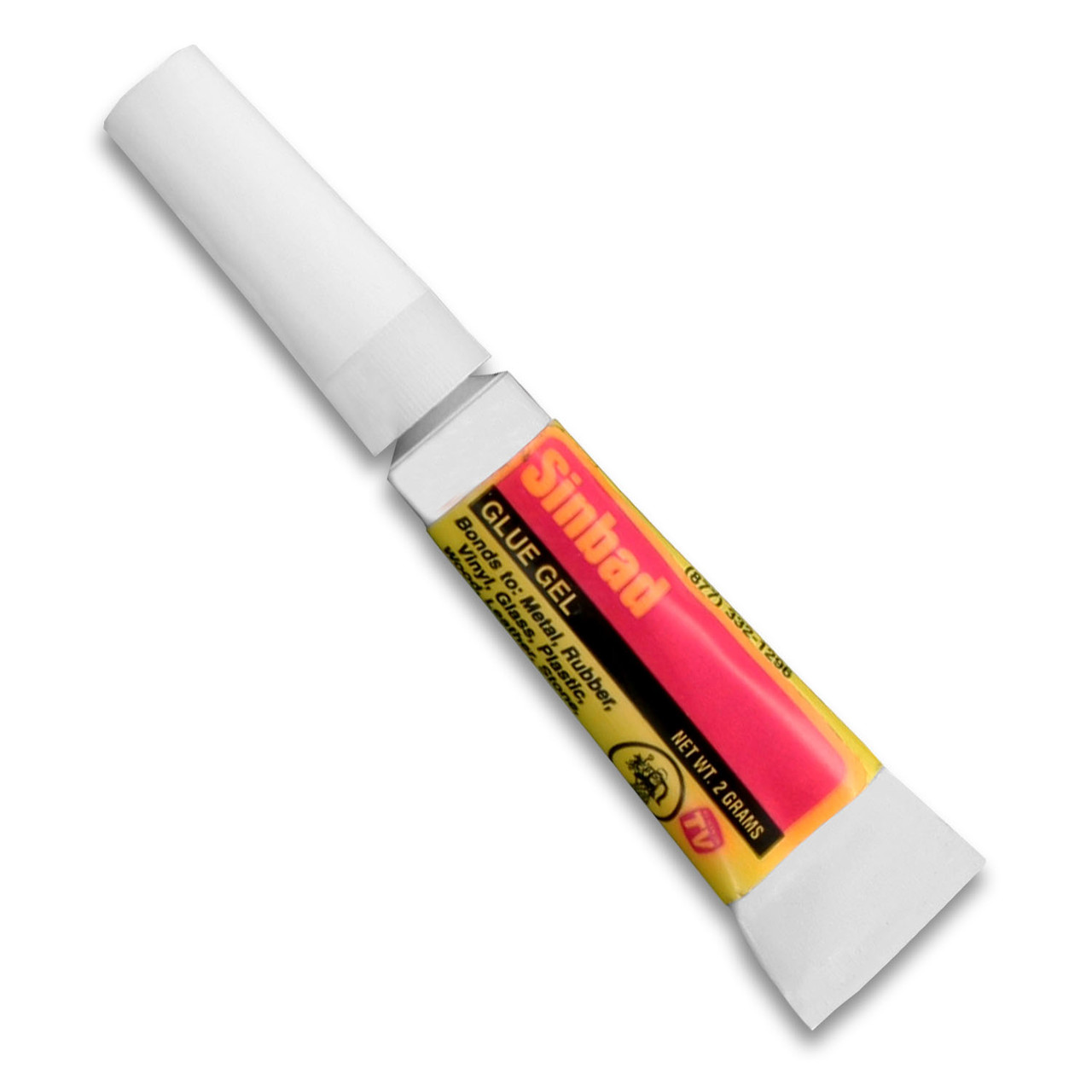


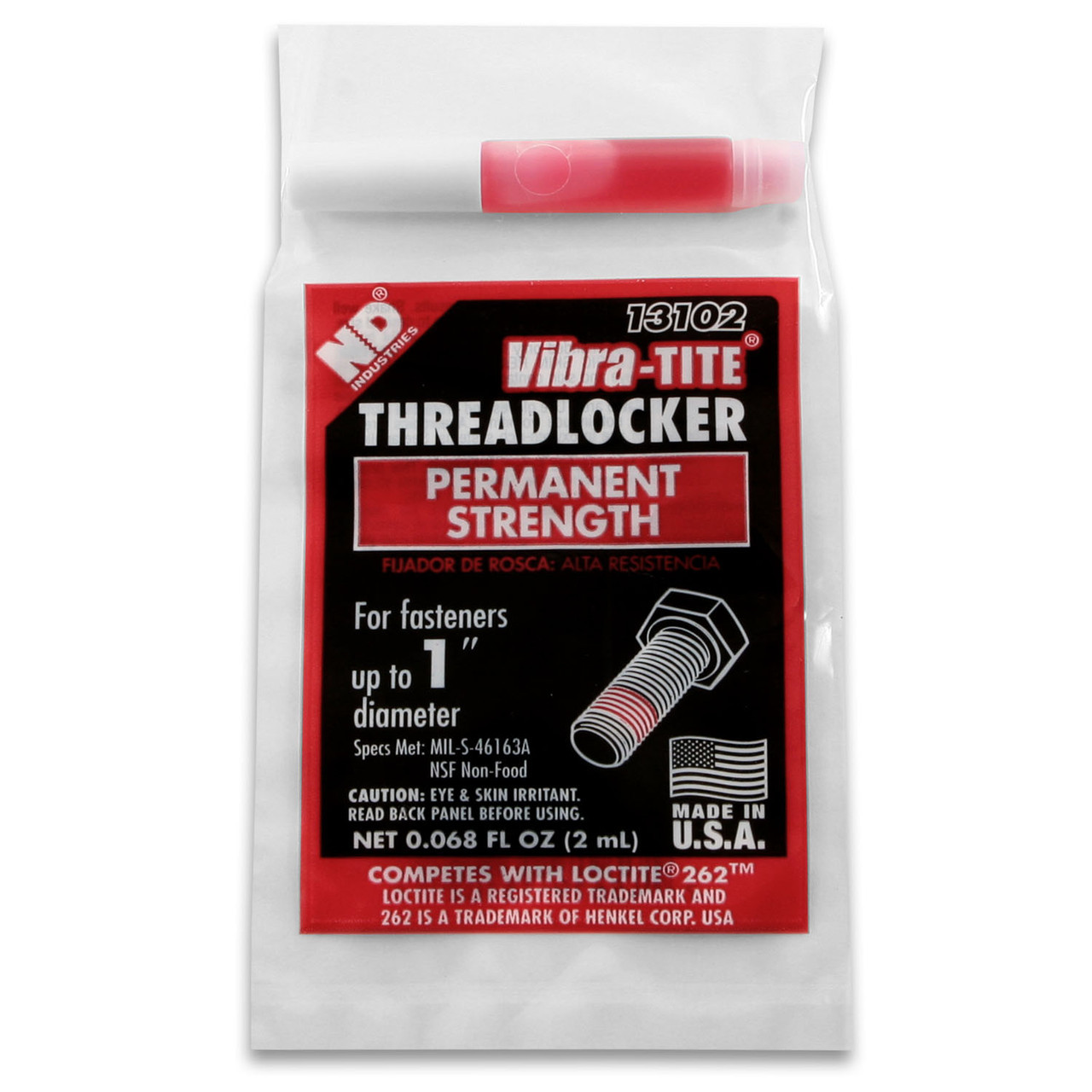


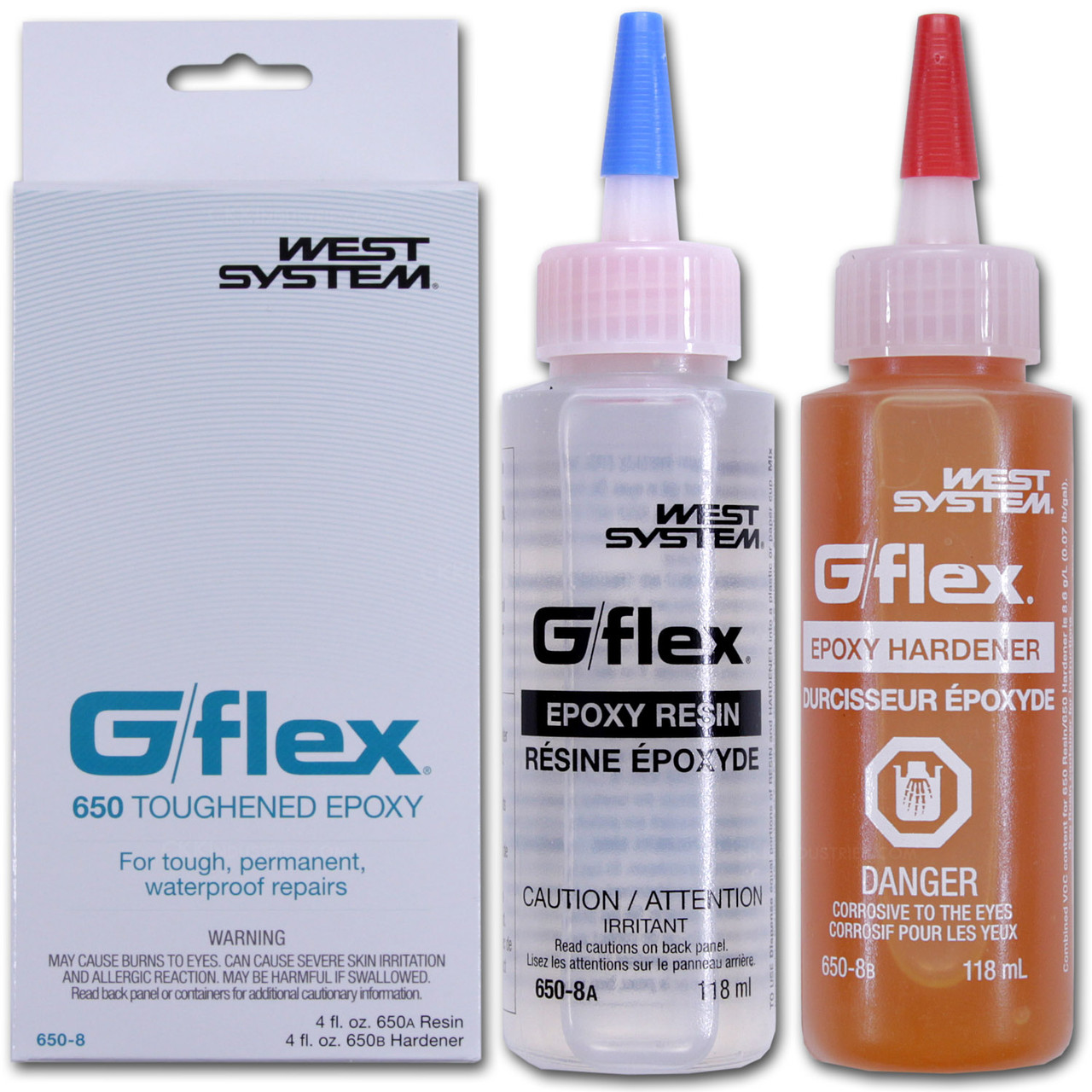
G/Flex 650 is a toughened epoxy for adhering blades to handles. Mixed one to one by volume, it gives about 45 minutes of working time and can bond dense or oily woods like teak and oak. Devcon 2 Ton cures clear and is sandable afterward, while J-B Weld Cold Weld holds bolsters and guards and, once cured, can be drilled, tapped or ground. Sinbad Glue Gel grips in 45 to 60 seconds, and handle inlays can be tacked in 15 seconds with Vibra-Tite™ super glue.
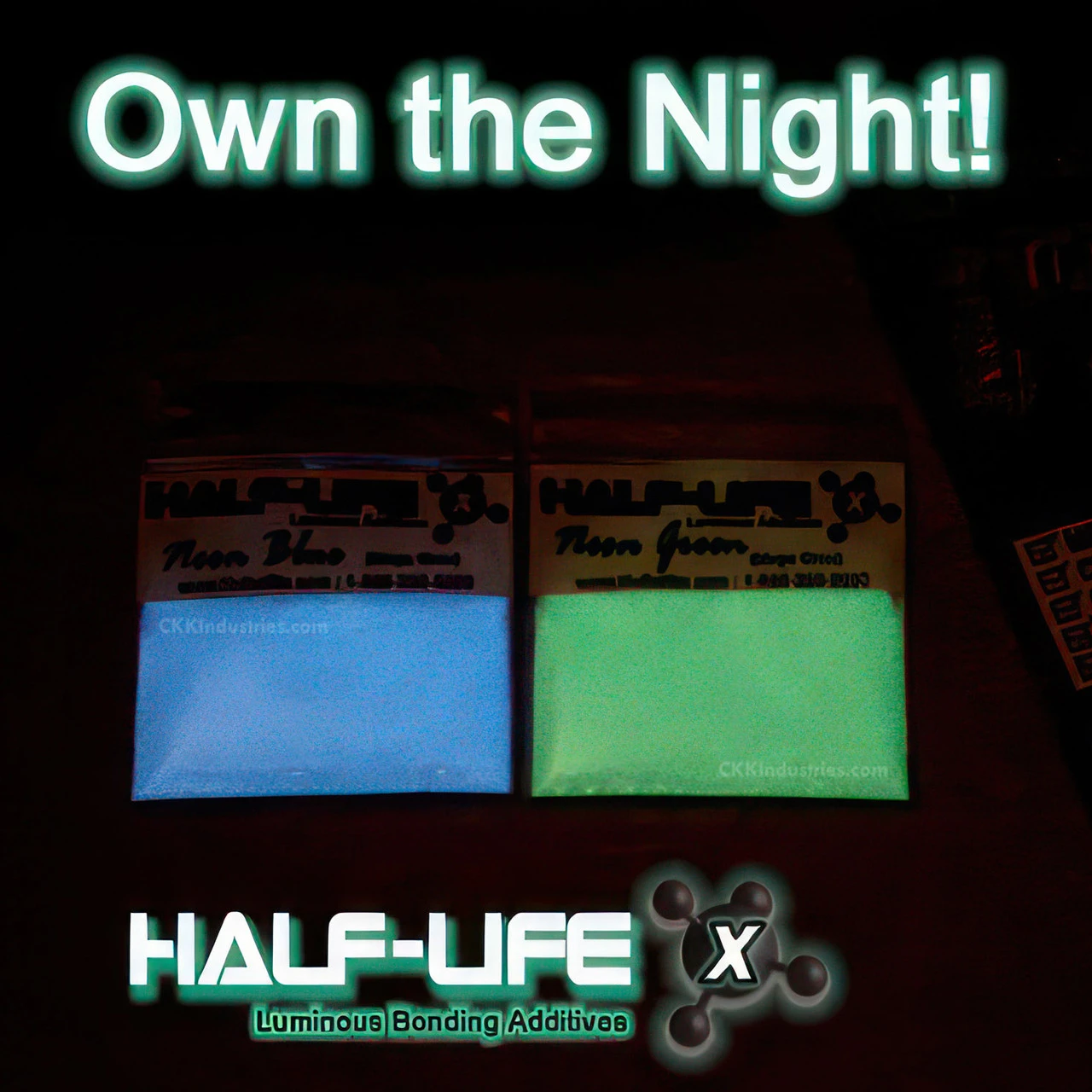
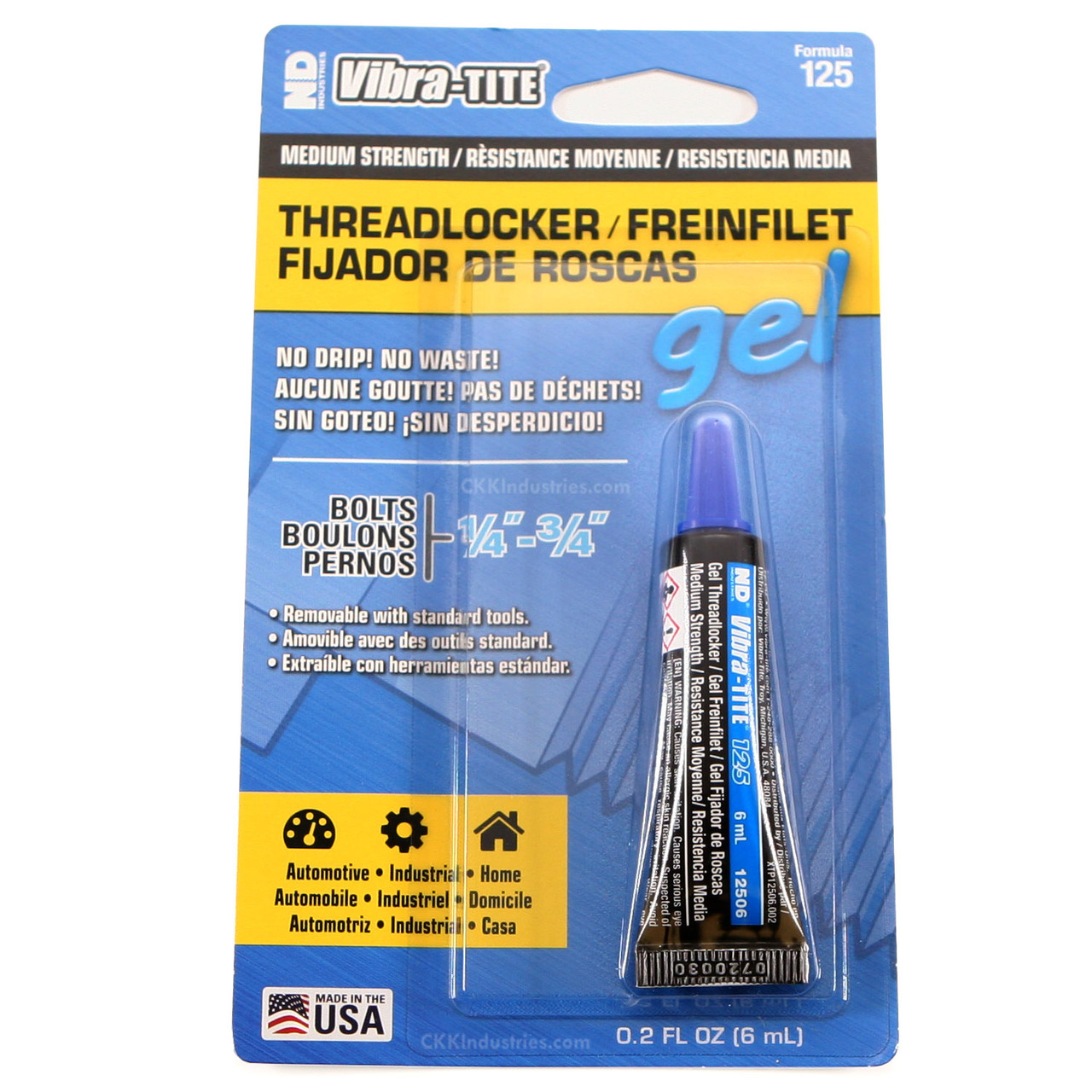
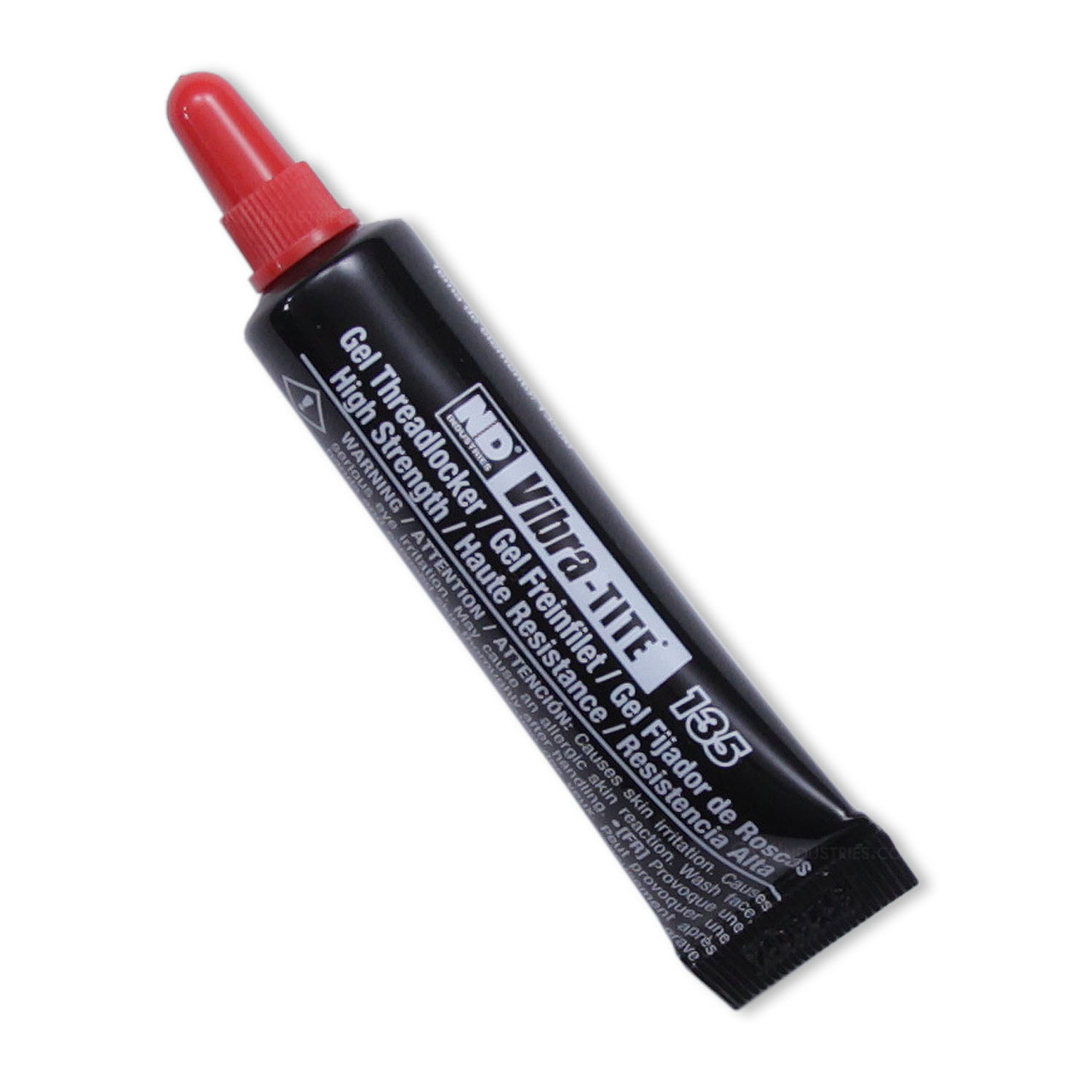
To color a glue line, a drop or two of BladeBond™ pigment tints epoxy green or yellow for scales and mosaic pins. Half-life X™ powder, mixed 1 to 10 with clear epoxy, fills thumbstud caps and filework with a glow lasting up to 12 hours per charge. For screws you plan to back out later, use removable Vibra-Tite™ 111, 121 or 122, or the 125 gel. A pivot screw treated with flexible VC-3 Threadmate can typically be removed and reinstalled up to five times. Screws meant to stay locked for good take the 135 gel or permanent 131 and 140, which hold fasteners as large as 1 inch in diameter.
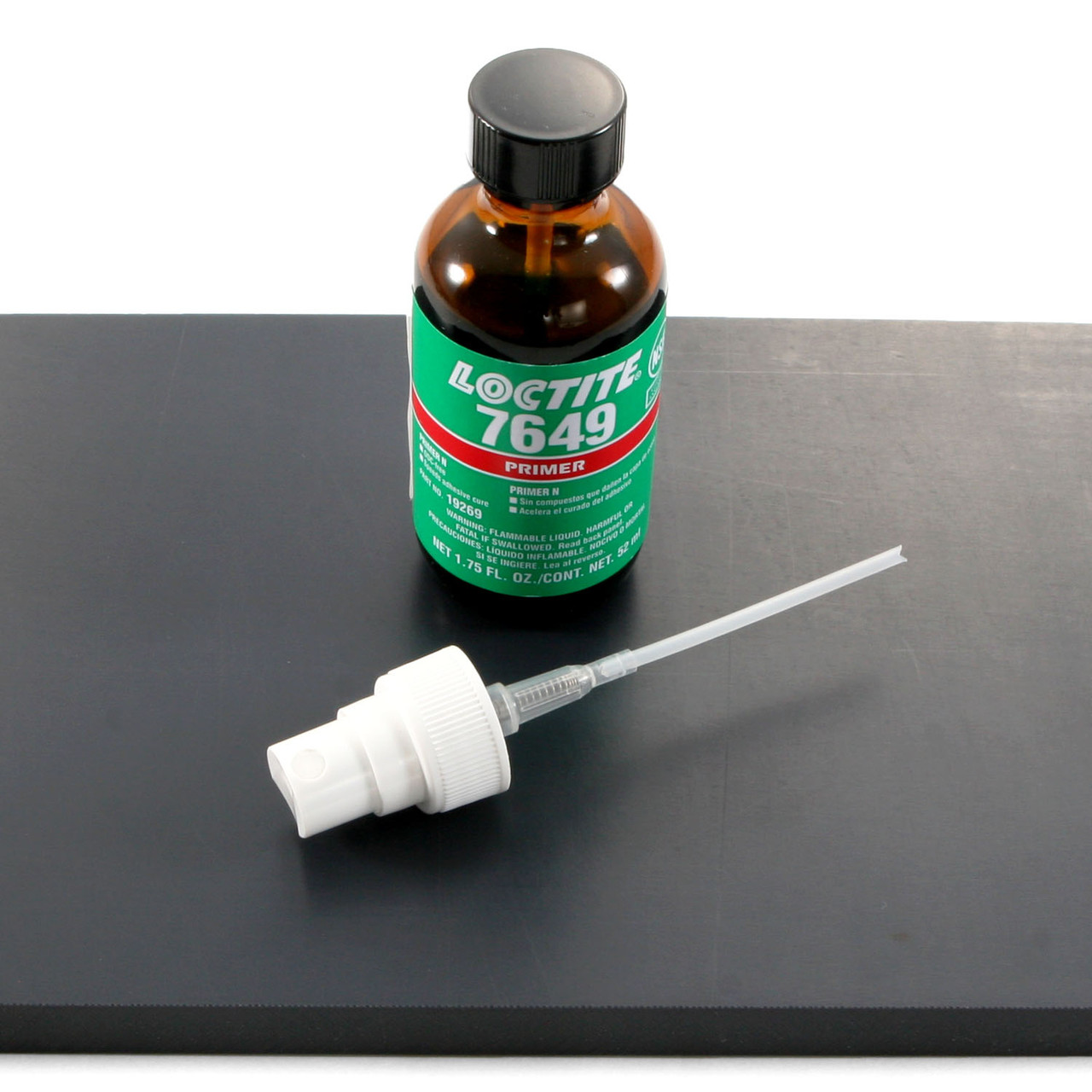
Vibra-Tite™ 541 retaining compound fills slip-fit gaps as wide as 0.015 inch, and Loctite® 7649 primer speeds the cure of Loctite® anaerobic adhesives on inactive metals. 3M Super 77 spray mounts sanding discs to grinder pads. Sanding belts, taps and calipers are under knife making tools, and you can reach out for help choosing an epoxy for your handle material.